-
-
-
-
-
-
-
-
-
-
My Showroom & Support


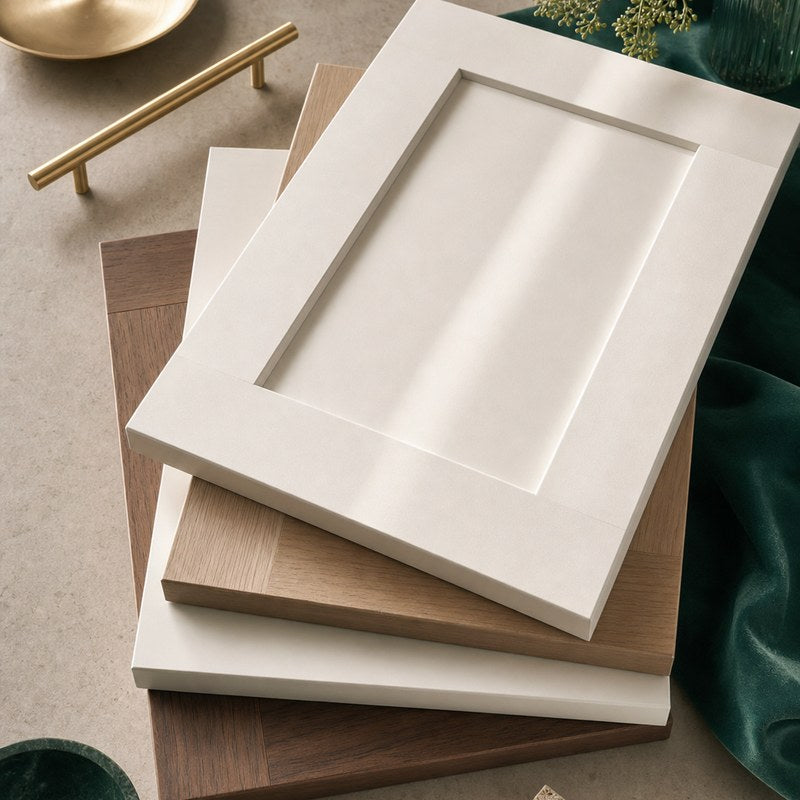








Fillers, Panels, Molding, and Finished Ends: The Parts That Make Cabinets Look Built-In
Boxes and doors are maybe 80% of a cabinet order. The remaining 20% is what separates a kitchen that looks installed from one that looks assembled — and it is the part most often left off the list.
Look at a kitchen you admire and try to find the spot where the cabinets stop and the wall begins. In a well-done kitchen you cannot, and it is not the doors doing that work. It is the fillers, the finished end panels, the toe kick, and the molding. These are the parts nobody photographs and almost everybody underestimates.
They are a small share of the cost of a cabinet order and a large share of whether the finished room looks built in. They are also the most common reason an install stalls halfway through, because they were left off the list. Let me walk you through each one.
Fillers: The Parts That Absorb Reality
Cabinets come in fixed widths. Rooms do not. A filler is a finished strip that closes the gap between a cabinet and a wall, another cabinet, or an appliance.
You need them in more places than most people expect:
Where a run meets a wall. No wall is perfectly straight or square. A filler gives the installer something to scribe, meaning cut to follow the wall's actual shape, so the joint is tight instead of tapering. This is also why measuring the room properly comes before anything else.
At inside corners. Two cabinet runs meeting in a corner need clearance so the drawers and doors on both sides can open without hitting each other. Skip the filler here and you get a drawer that bangs into the neighboring knob every single time.
Beside appliances. A refrigerator needs room to swing its doors past 90 degrees, especially if there are drawers inside. A dishwasher next to a corner needs room for its door to drop.
To square up a run. When standard cabinet widths leave you three inches short of the wall, a filler is how you close the gap. Splitting that into two smaller fillers, one at each end, usually looks better than one wide filler at the end.
Fillers come oversized on purpose so the installer can cut them to your room. Order them in the same door style and finish as the cabinets, and order more than you think you need. An unused filler costs very little. A missing one stops the job.
Finished Ends and End Panels

Cabinet boxes are usually finished only on the sides meant to be seen. Any side that will be visible needs a finished end.
Here is where that matters:
The exposed end of a run, where the cabinets meet open floor.
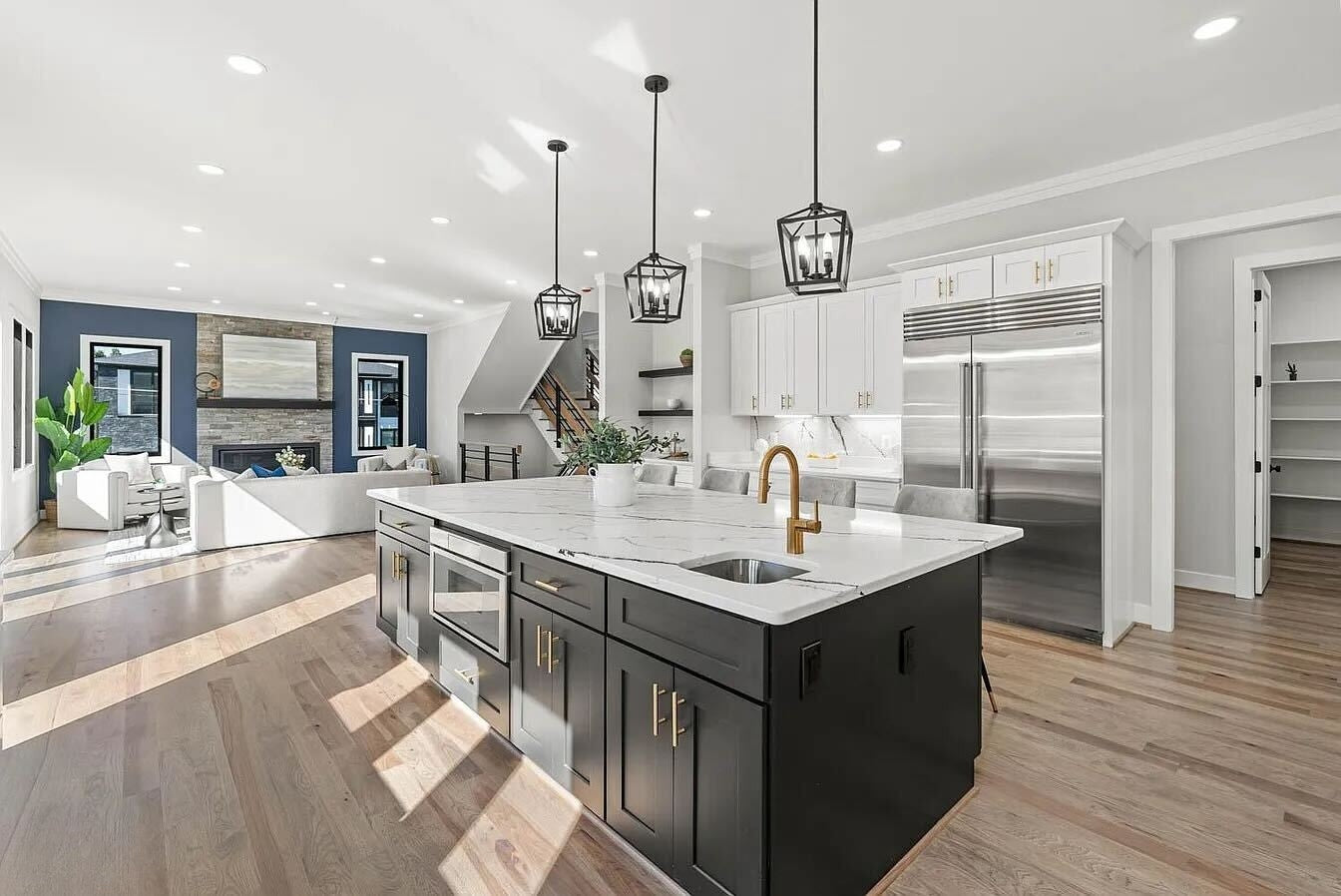
Both sides and the back of an island. An island is visible from every angle, and a raw box side facing the dining room is the single most obvious sign of a budget install.
Peninsula ends, for the same reason.
Beside a refrigerator, where the tall gap makes an unfinished side very easy to see.
Under a wall cabinet at the end of a run, where you can see the underside from the room.
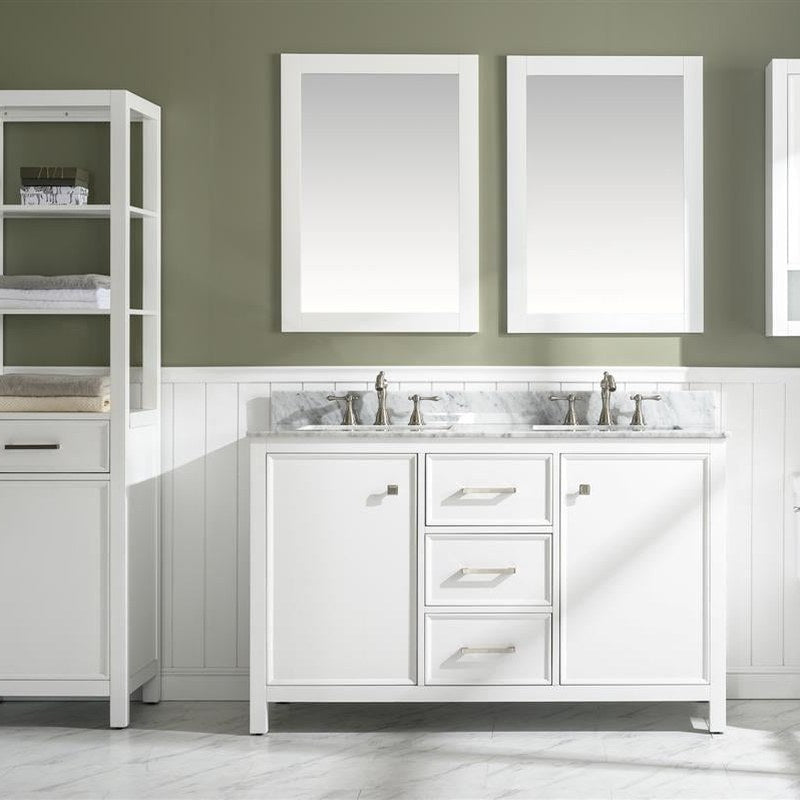
There are two ways to handle it. A finished end is a box built with a finished side at the factory. A decorative end panel is a separate panel applied over the box, and it is what you want when you need the end to match the doors. A panel with the same rail-and-stile profile as the doors makes the end of an island read as cabinetry instead of a flat slab.
If you are going to splurge on one thing on an island, make it the paneled end. It is the difference between furniture and boxes.
Toe Kick, and Why It Is Not an Afterthought
The recessed space at the bottom of base cabinets is there so you can stand close to the counter without stubbing your toes. The toe kick board covers it.
Order it in the matching finish, and order enough. It runs the full length of every base run plus the island. Where a base cabinet is exposed at the end, the toe kick needs a return so the cut end does not show from the side.
One detail that quietly improves a kitchen: if your flooring is going in after the cabinets, decide now whether the toe kick sits on the subfloor or on the finished floor. It changes the final height, and it is very hard to fix later.
Molding: Crown, Light Rail, and Scribe
Crown molding closes the gap between the top of the wall cabinets and the ceiling. If your cabinets run all the way up, crown is what makes that meeting point look intentional. If they stop short, crown finishes the top edge and gives the run a clean line.
Two practical notes. Crown is ordered by the linear foot and cut on site, so order about 15 percent extra. And in a room with a ceiling that is not perfectly level, which is most rooms, you will also need scribe molding, a small flexible trim that closes the wedge-shaped gap.
Light rail molding runs along the bottom edge of the wall cabinets. Its job is to hide under-cabinet lighting so you see light on the counter instead of a fixture in your eyes. If you are adding under-cabinet lighting, and in a working kitchen you should, light rail is what makes it look built in.
Scribe molding is the thin finishing trim that closes the last little gaps where cabinets meet an uneven wall or ceiling. It is cheap, easy to forget, and very noticeable when it is missing.
Every Rose Hill door style has its matching crown, light rail, scribe, toe kick, fillers, and panels in Cabinet Trim and Molding, so the finish matches exactly.

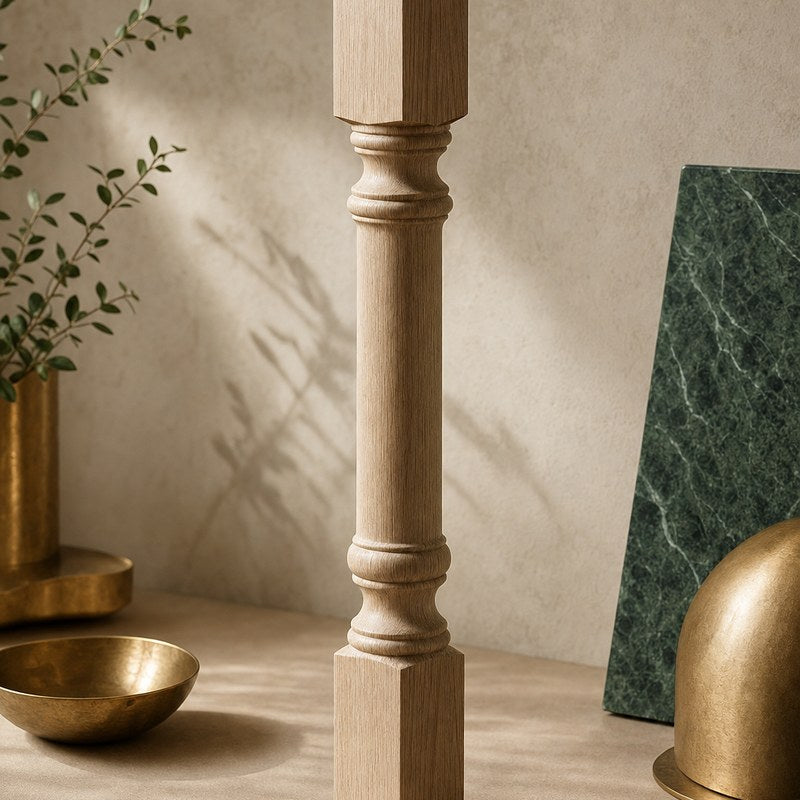
The decorative extras, like corbels under a bar overhang, carved accents, and turned legs on an island, live in our decorative and wood accents collection.
What This Means for Your Order

When you get a cabinet quote, look for these line items specifically. A quote with boxes and doors and nothing else is not a complete kitchen, and the gap will show up on install day with a crew standing in your house.
A reasonable checklist for a typical kitchen: fillers at every wall, inside corner, and appliance; finished ends or panels on every exposed side, including the back of the island; toe kick for every base run plus returns; crown and scribe if the cabinets meet the ceiling; and light rail if there is under-cabinet lighting.
Rose Hill Cabinets ship fully assembled, which takes assembly off your plate but not planning. These parts still have to be on the order. Our design team includes them as a matter of course, which is a big part of what the free design service is actually for.
Common Questions
Do I really need fillers if my cabinets fit the wall? Almost always, yes. Even a run that seems to fit needs a filler at the wall for scribing and at any inside corner for door and drawer clearance.
What is the difference between a finished end and an end panel? A finished end is a box built with a finished side. An end panel is a separate decorative panel applied over the box so it matches the doors. Use the panel wherever you want the end to look like cabinetry.
How much extra crown molding should I order? About 15 percent more than the measured length, to cover the angled cuts at every corner.
Browse the full range in Rose Hill Cabinets, or start with the door styles. If you have a quote from anywhere and want a second set of eyes on whether it is complete, ask a pro. A real person answers, usually within a business day.
Planning the whole room? My Showroom keeps the cabinet decisions and everything that follows in the order a real showroom would work through them.