-
-
-
-
-
-
-
-
-
-
My Showroom & Support













Matching and Mixing Metal Finishes: How to Make Brass, Black, and Nickel Get Along
Yes, you can mix metals in a kitchen or bath. Here is the simple system designers use to do it on purpose, so the hardware, faucets, and lighting look like a plan instead of a coincidence.
Somewhere along the way, homeowners were told that every metal in a room has to match. The faucet, the cabinet pulls, the light fixtures, the towel bar, all the same finish, or else. I want to let you off that hook. Some of the most beautiful kitchens and bathrooms I have ever walked into mix their metals, and they do it on purpose.
The trick is that they follow a simple system. Once you know it, mixing metals stops feeling like a gamble and starts feeling like the fun part. Here is how to do it.
First, Decide on a Lead Metal
Every room needs one finish that is clearly in charge. This is your lead metal, and it should show up on the pieces you see and touch most. In a kitchen that is usually the cabinet hardware and the faucet. In a bathroom it is the faucet and the vanity light.
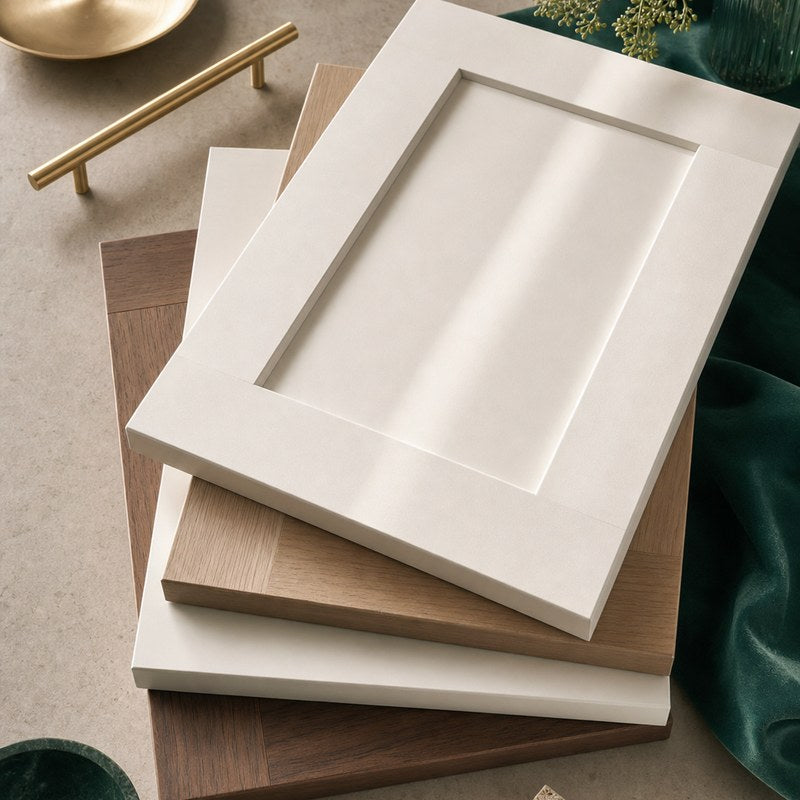
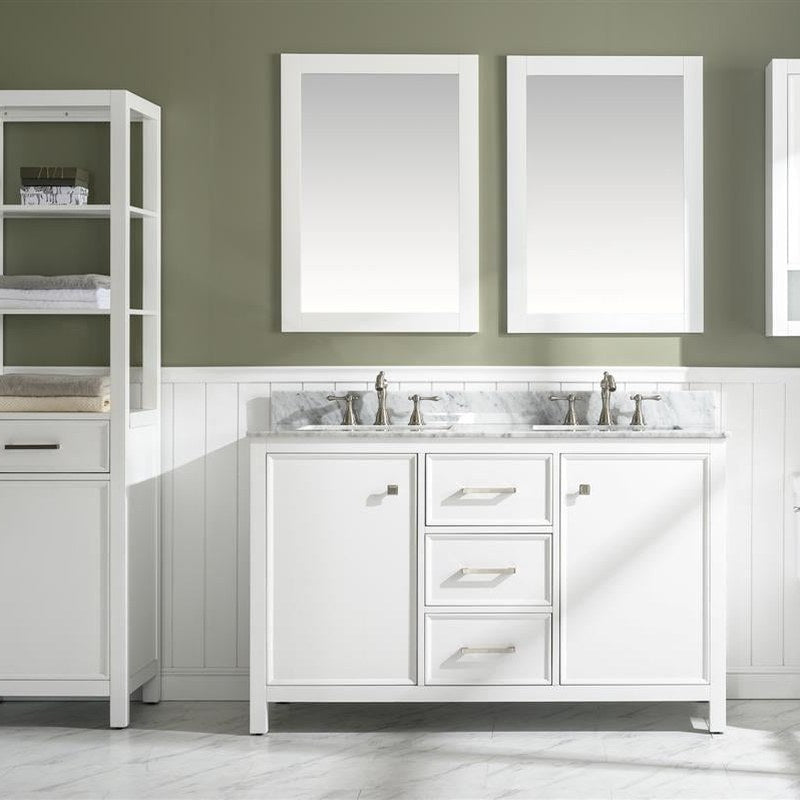
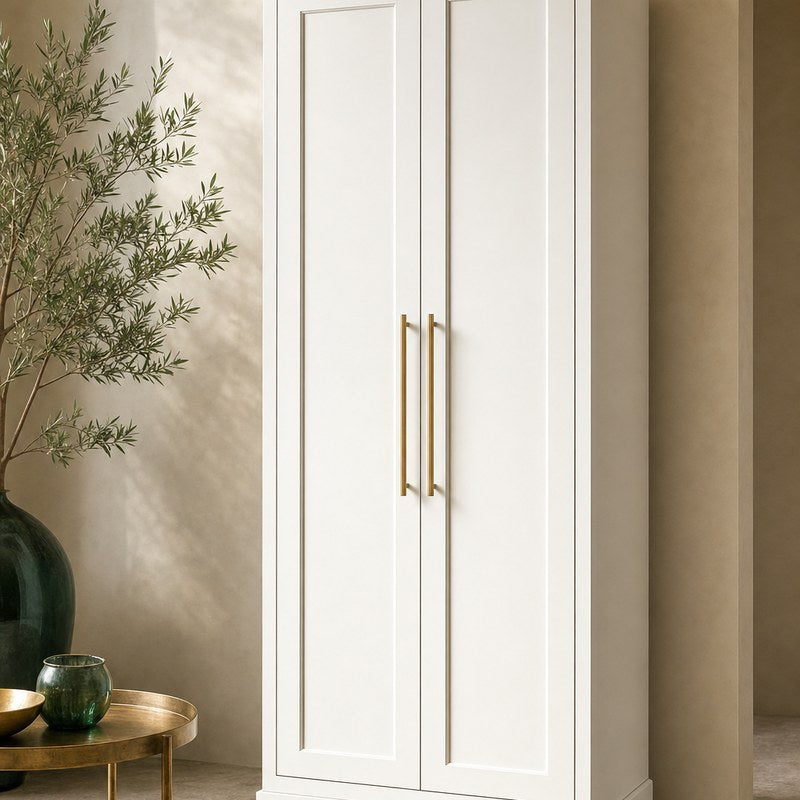
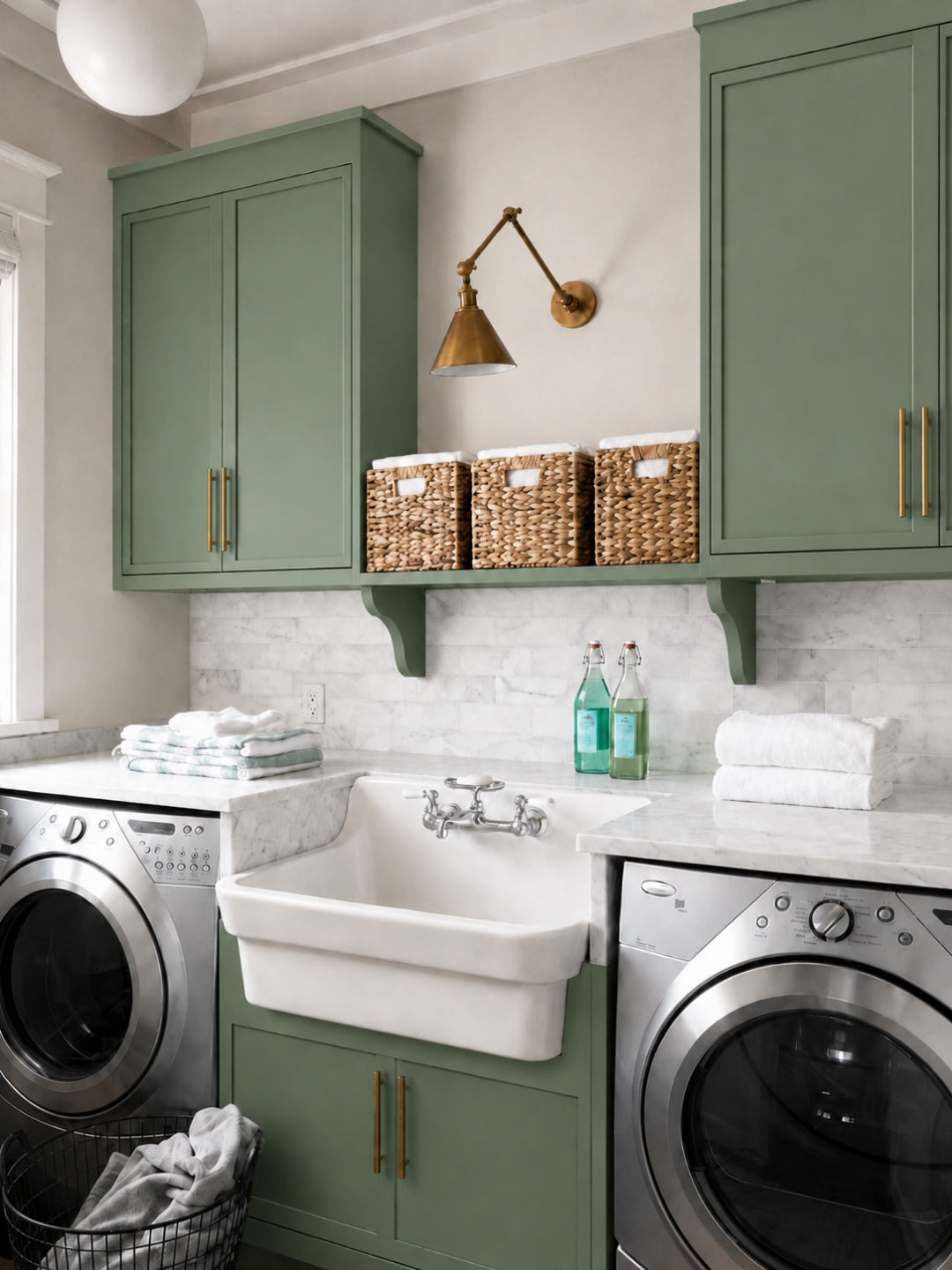
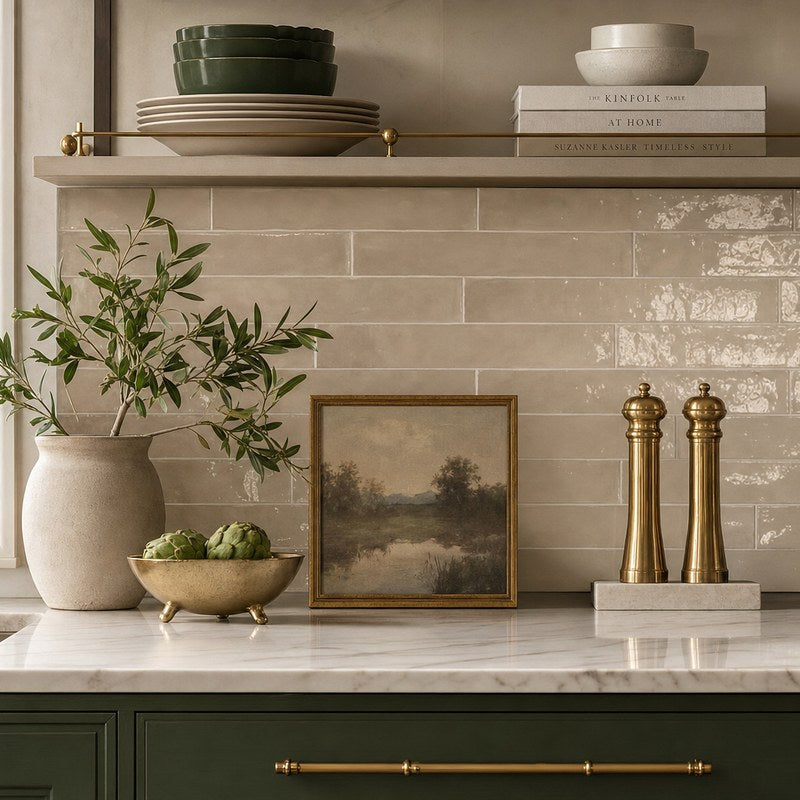
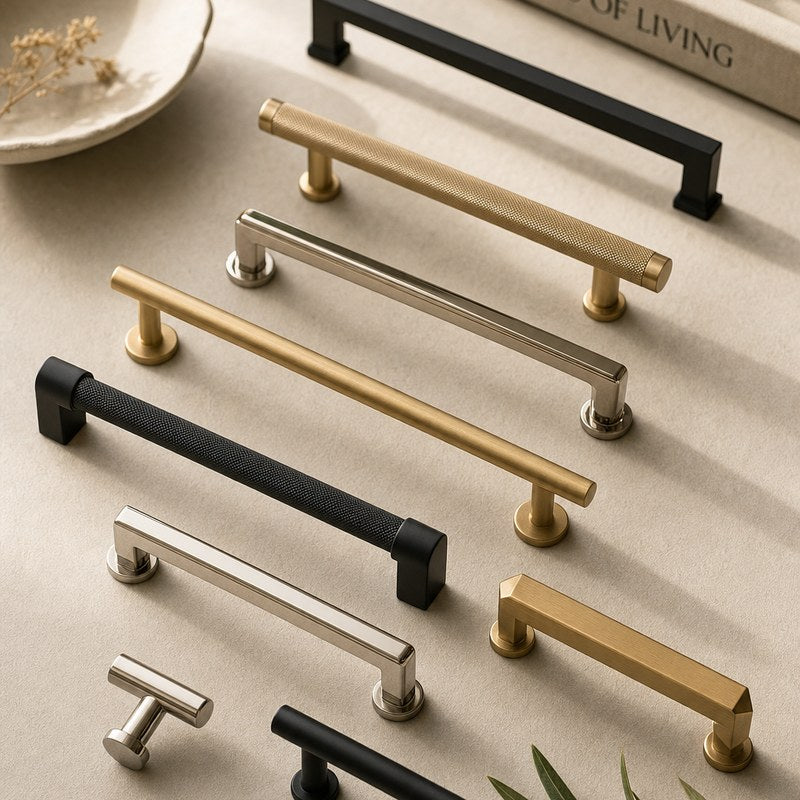
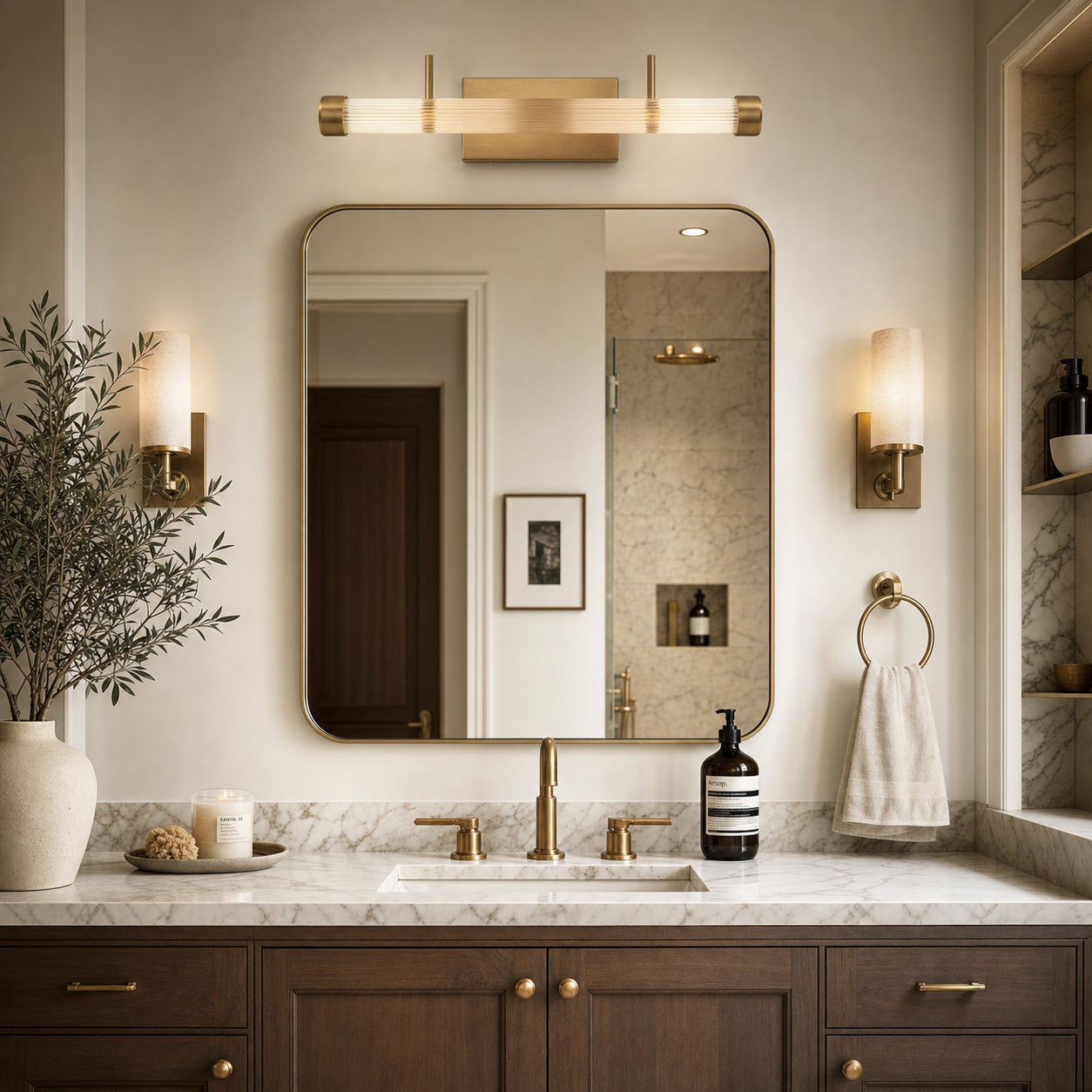
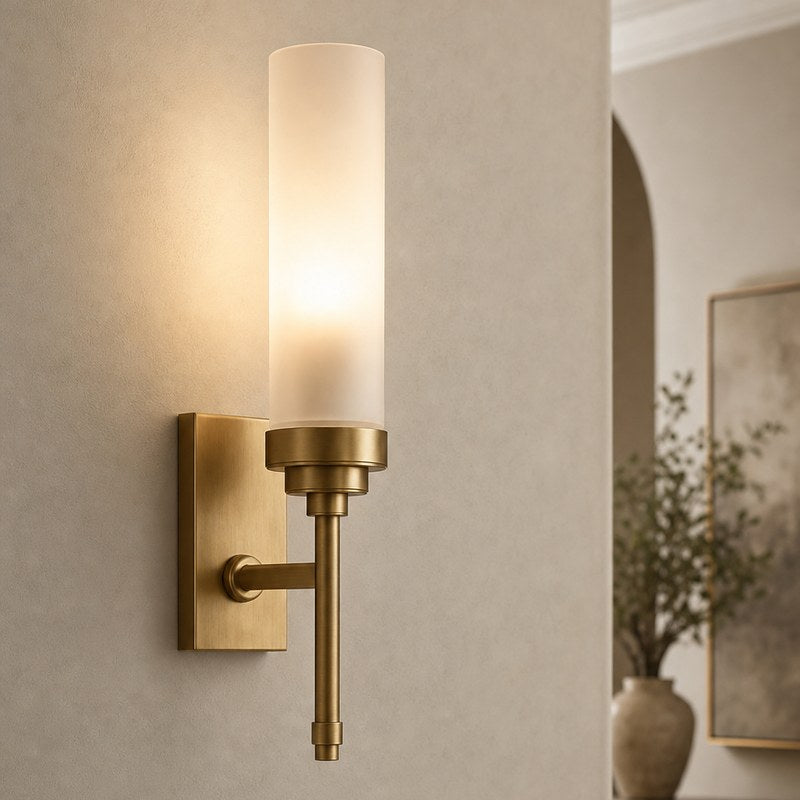
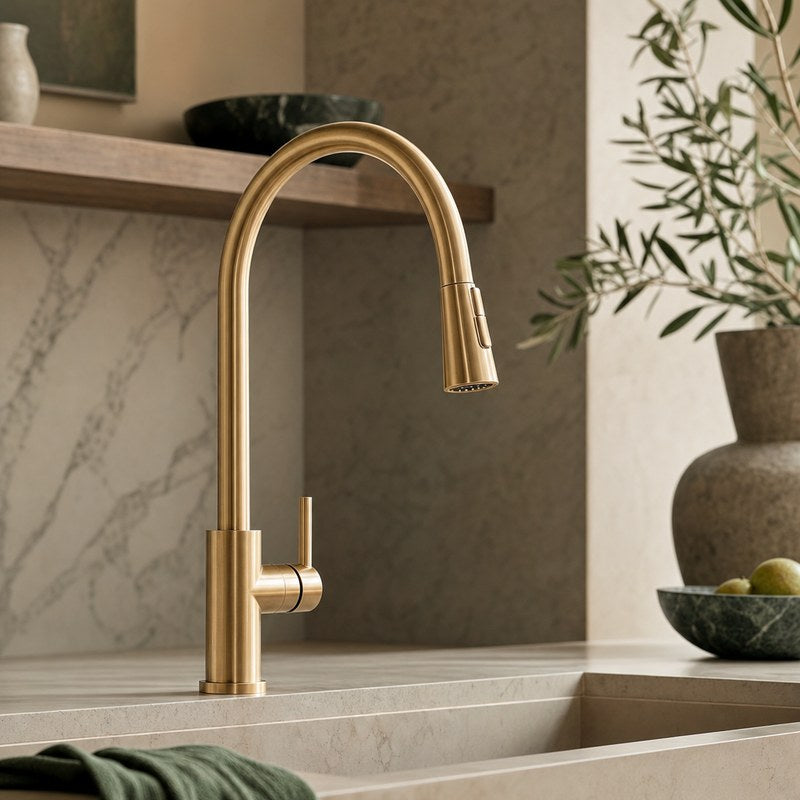
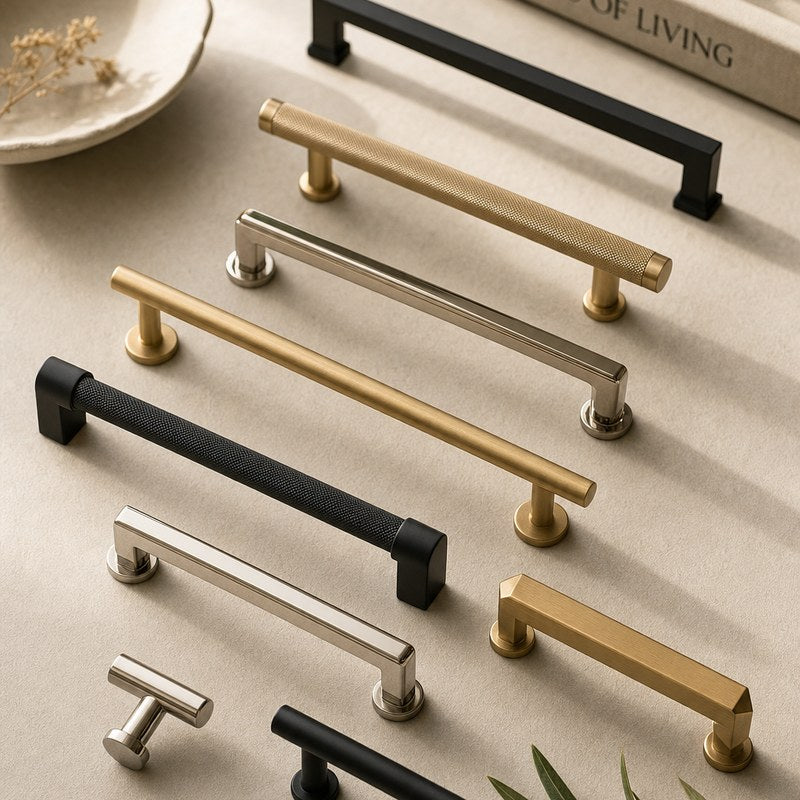
Pick your lead based on the cabinets and the overall mood. Warm brass or gold flatters white, cream, green, navy, and natural wood cabinets, which is exactly the palette our Rose Hill Cabinets line was built around. Matte black gives white or light cabinets a crisp, modern edge. Brushed nickel is the quiet, timeless choice that works with nearly everything.

Then Add One Supporting Metal
Here is the rule that keeps everything from turning into a hardware store: two metals, maybe three, never more. Your lead metal does most of the work. A second metal shows up in a few deliberate places to add warmth or contrast. If you add a third, it should be small and it should repeat.
Some pairings that work every time:
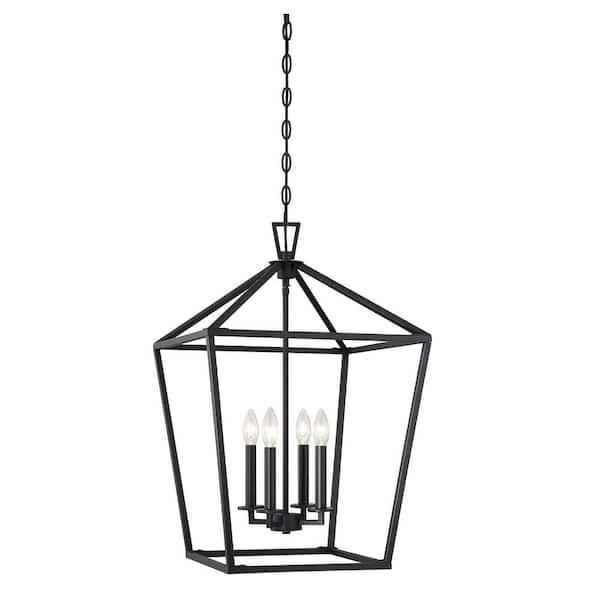
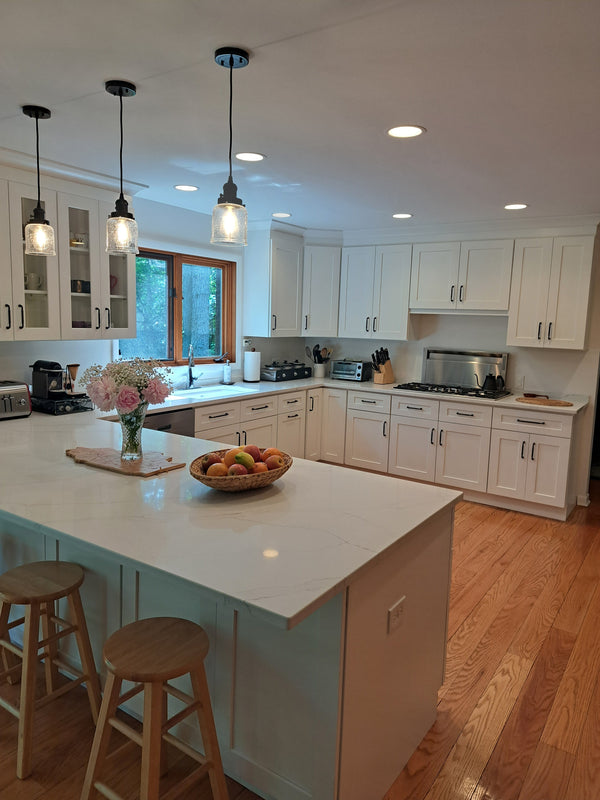
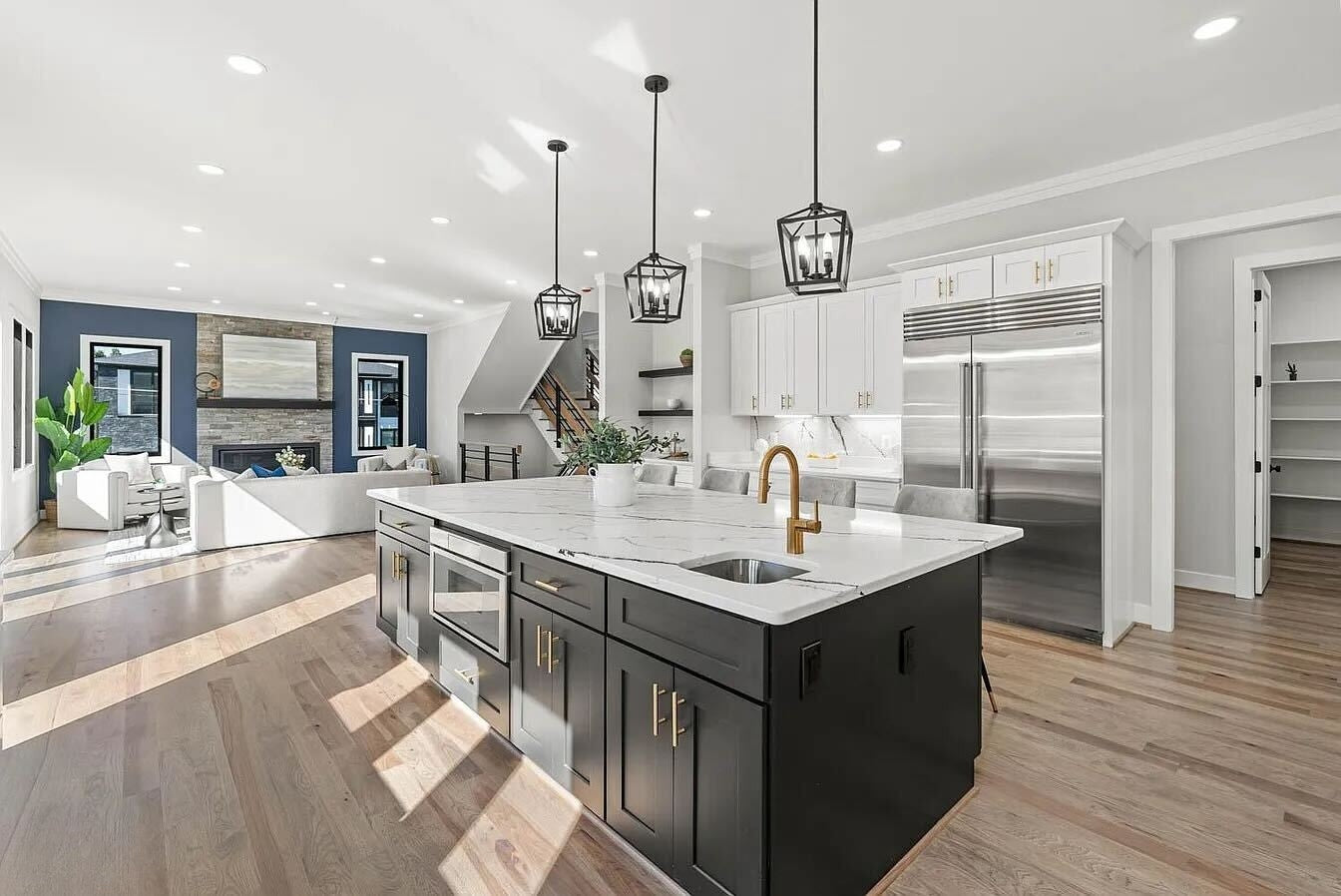
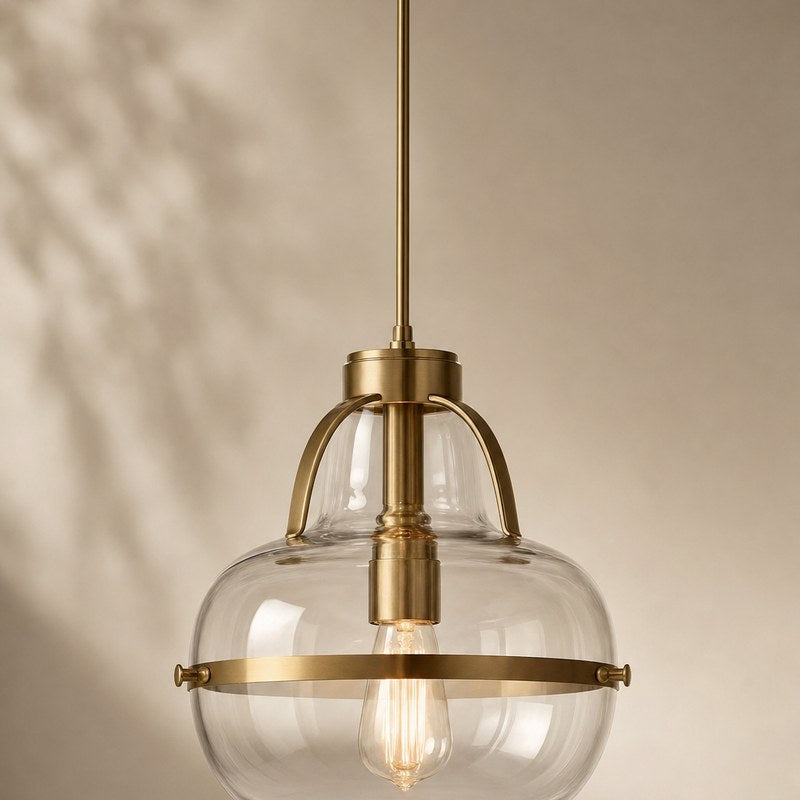
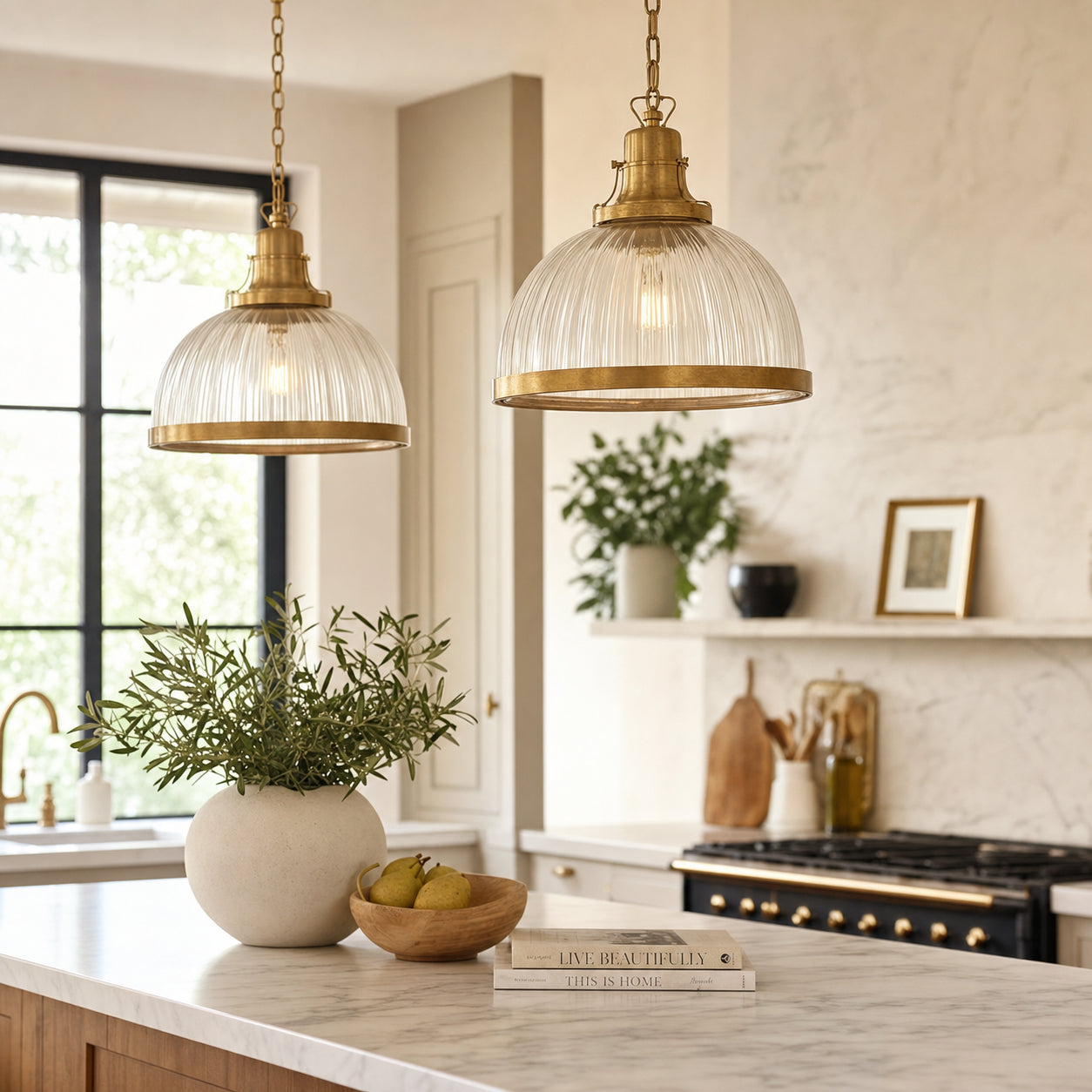
Brass and matte black. The most popular mix right now, and for good reason. Brass brings warmth, black brings definition. Brass pulls on the cabinets and black pendants overhead, or the other way around.
Brushed nickel and matte black. Cooler and more modern. Nickel on the faucet and hardware, black on the lighting.
Brass and brushed nickel. Softer and more traditional. This one works best when the brass is satin rather than shiny.
Oil-rubbed bronze and brass. Warm on warm. Lovely in a farmhouse or a wood-heavy kitchen.

The one pairing I steer people away from is chrome with brushed nickel. They are close enough in color that the mix looks like a mistake rather than a choice. If you want two silvers, go nickel and black instead.
Put Each Metal at Its Own Height
This is the part that makes a mix look intentional. Assign each finish to a layer of the room.
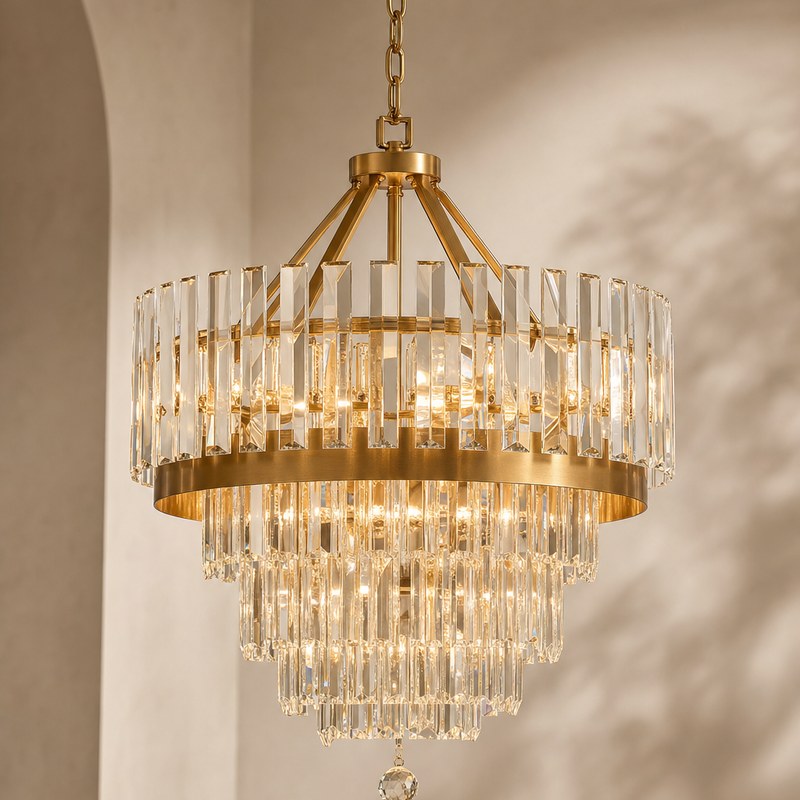
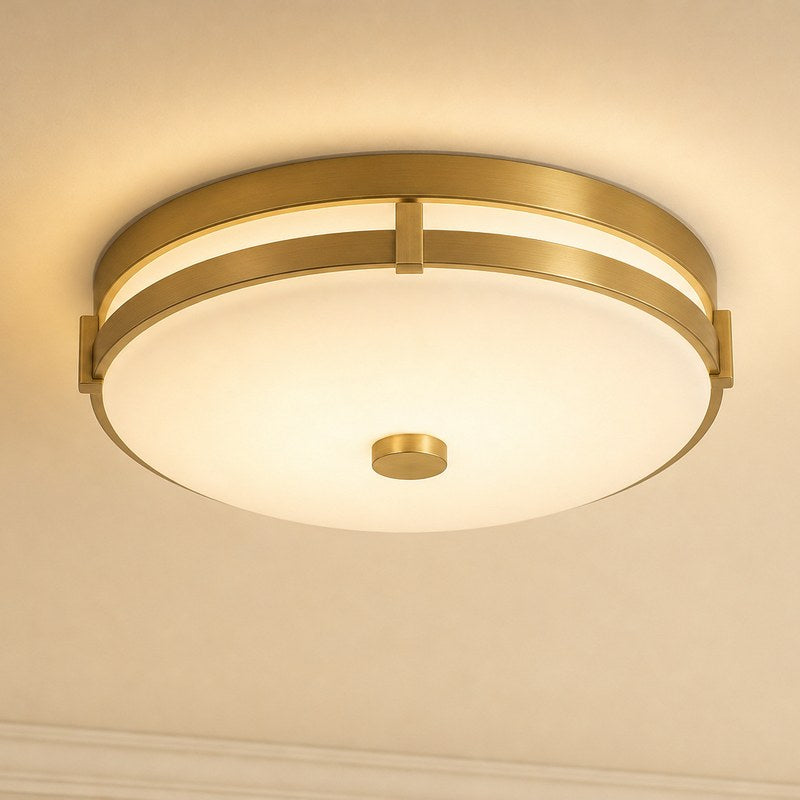
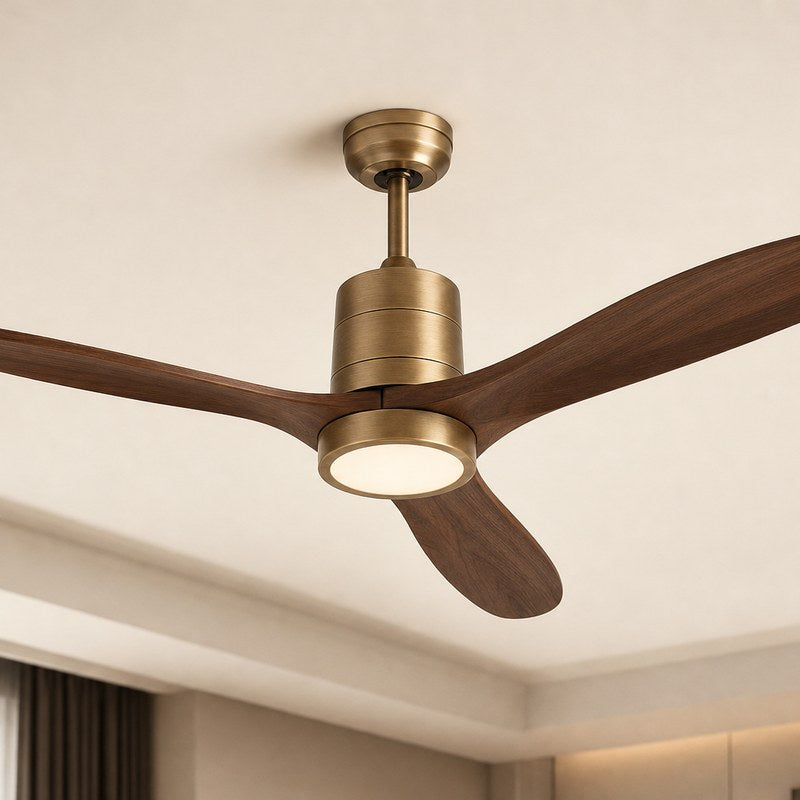
Think of the room in bands. Down low you have cabinet hardware and the faucet. In the middle you have the faucet, the sink, and any wall sconces. Up high you have pendants, chandeliers, and ceiling lights. When one metal owns one band and another owns a different band, your eye reads it as a plan. When the metals are scattered randomly across every height, it reads as leftovers.
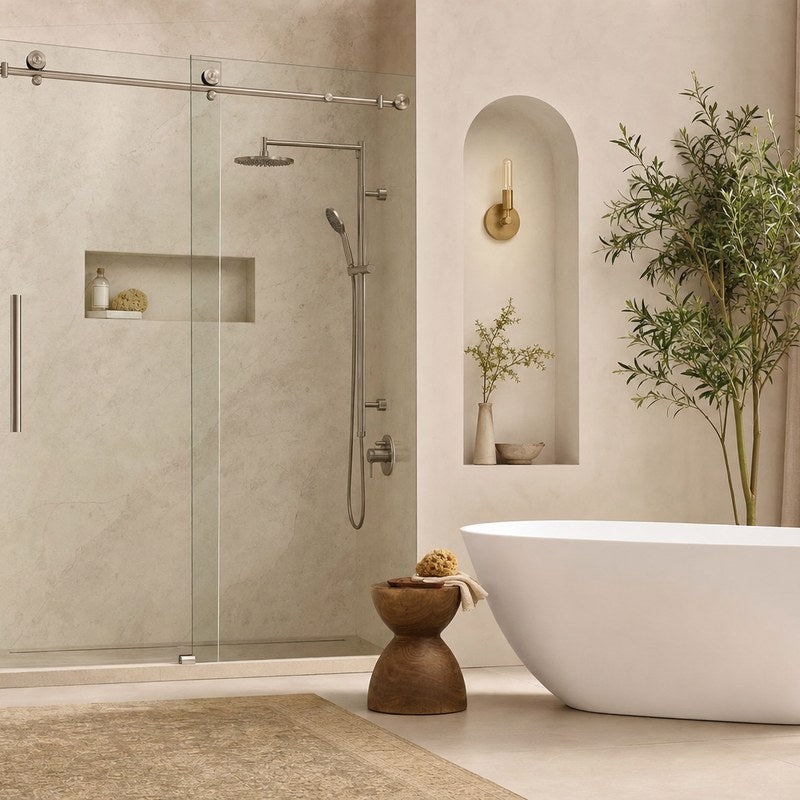
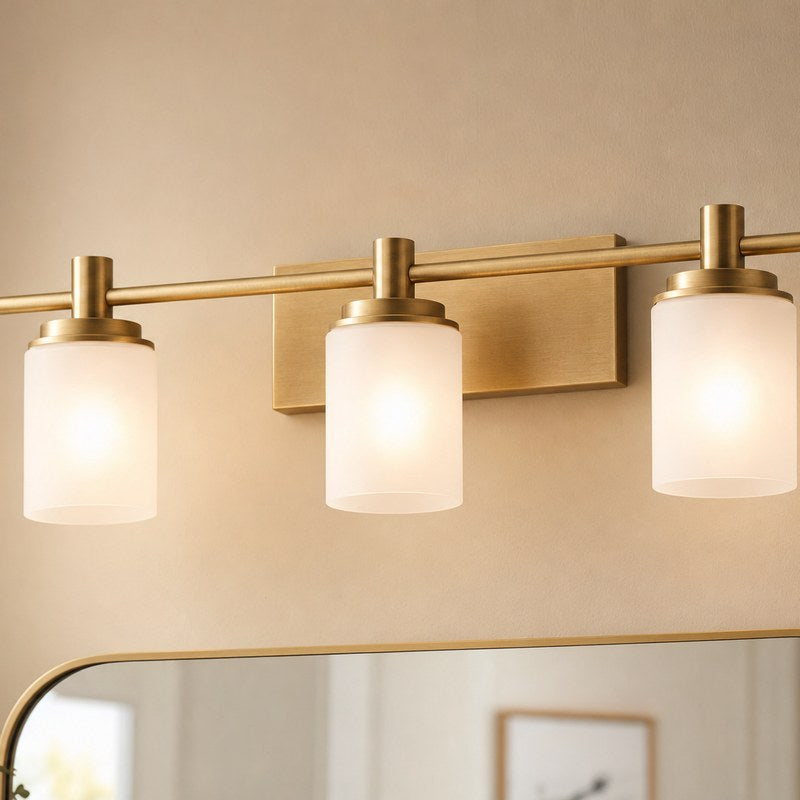
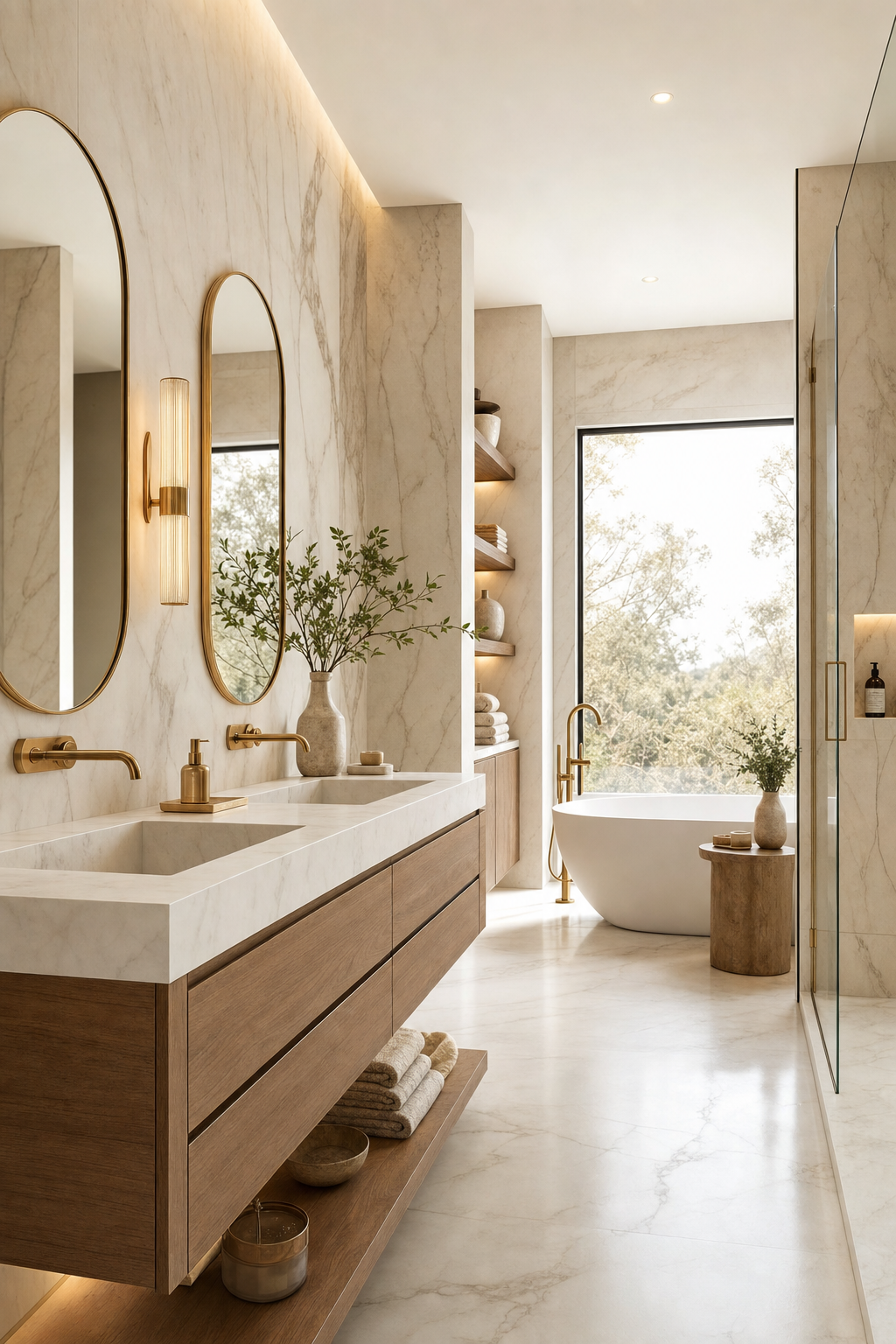
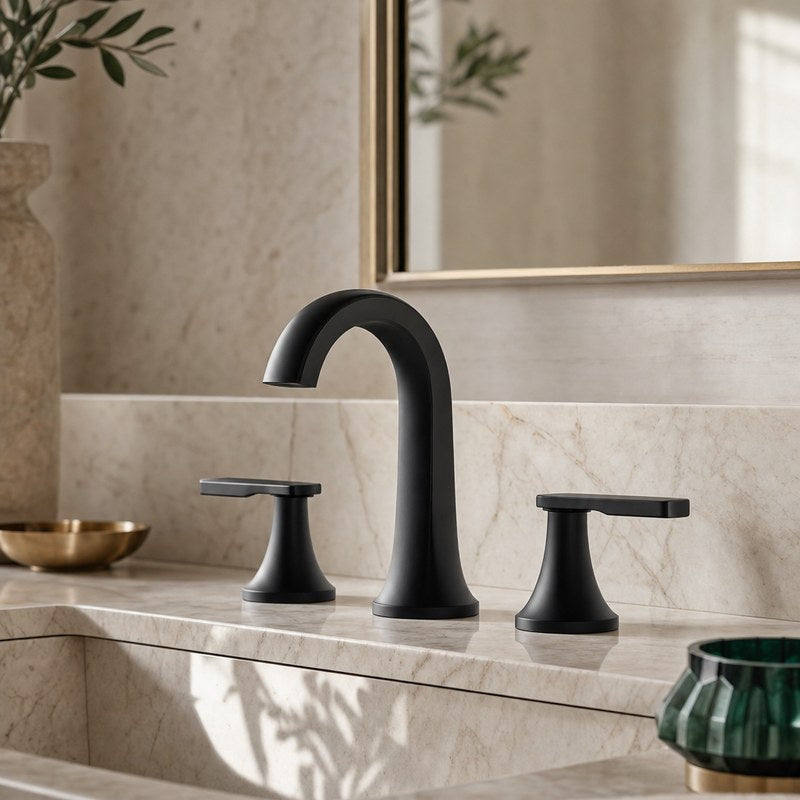
A common kitchen plan: brass on the cabinet hardware, brass on the faucet, and matte black on the pendants and the range hood trim. A common bathroom plan: matte black faucet and towel bar, brass vanity light and mirror frame.
Let the Faucet Anchor the Wet Zone

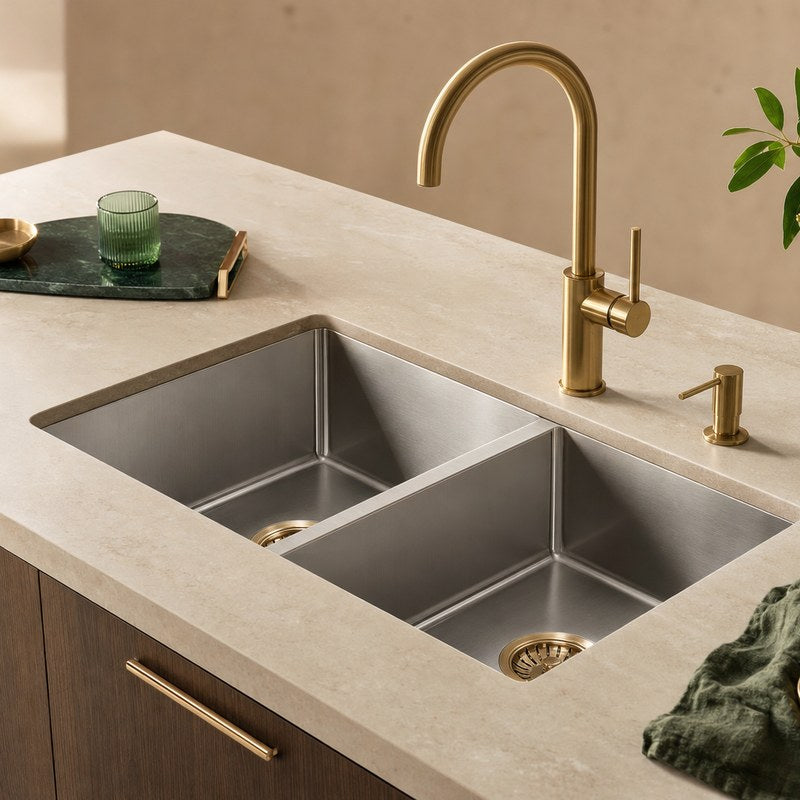
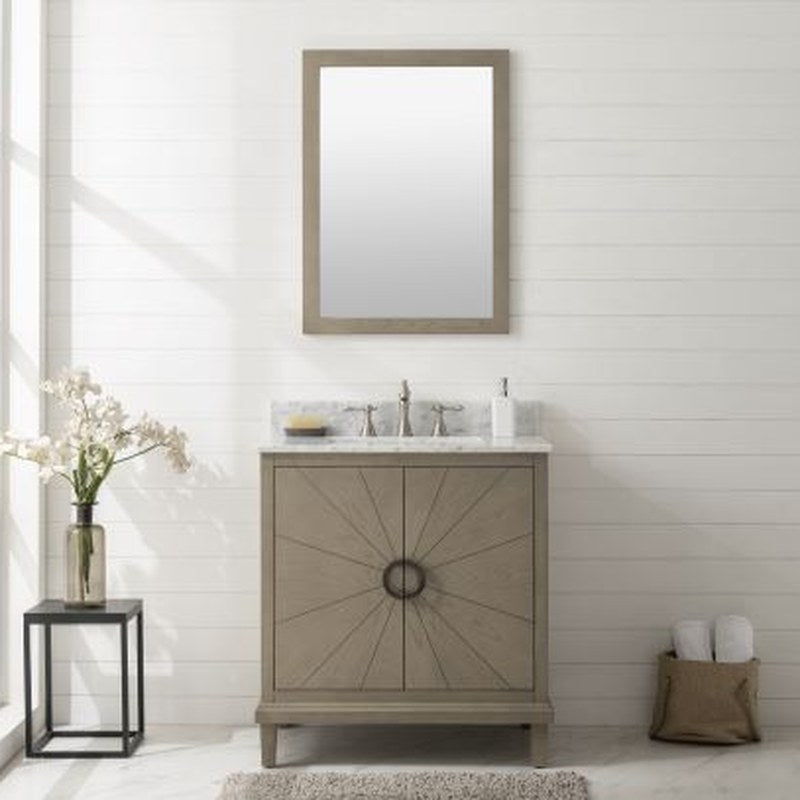
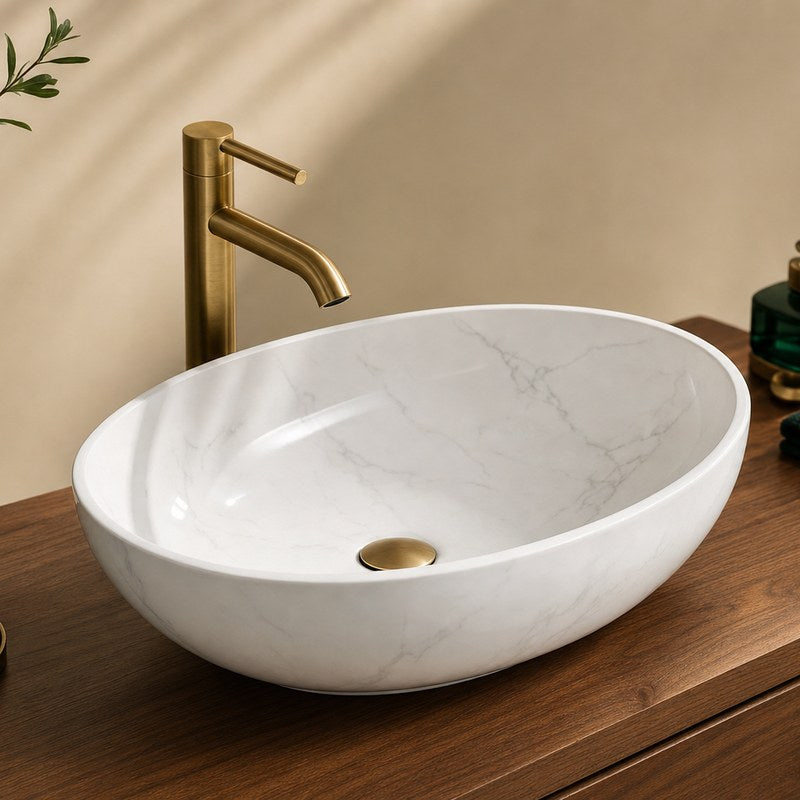
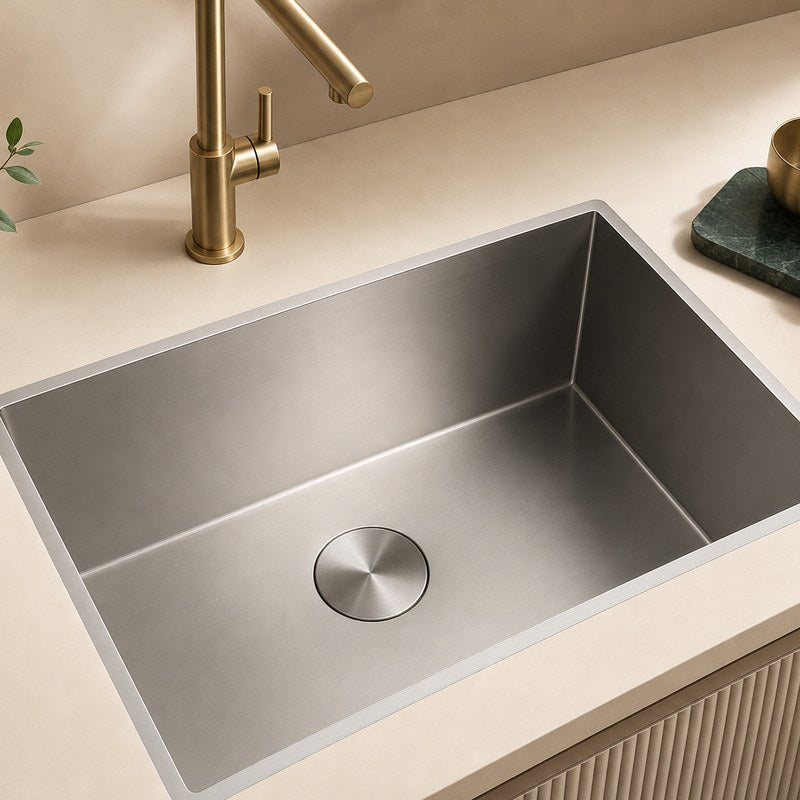
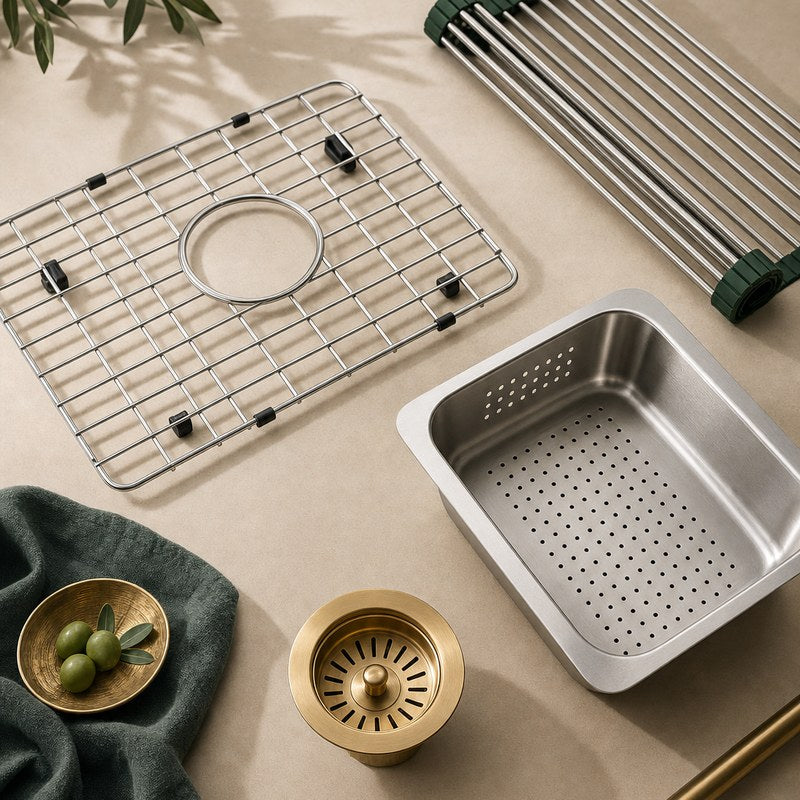
Whatever finish you choose for the faucet, the pieces right around it should agree. The sink drain, the soap dispenser, the towel ring or bar. These small items are close enough together that a mismatch shows. This is the one spot where matching really does matter.
The faucet does not have to match the cabinet hardware across the room, though. A brushed nickel faucet with brass cabinet pulls is a perfectly good kitchen, as long as the nickel repeats somewhere else, like the sink or a sconce, so it does not look like a one-off.
Repeat Every Metal at Least Twice
Here is the rule that fixes most mixing mistakes. If a finish appears only once in a room, it looks like an accident. If it appears two or three times, it looks like a decision. So if you fall in love with a single black pendant over a brass kitchen, add black somewhere else. A black faucet, black stools, a black-framed window. Suddenly the pendant belongs.

Watch the Finish, Not Just the Color
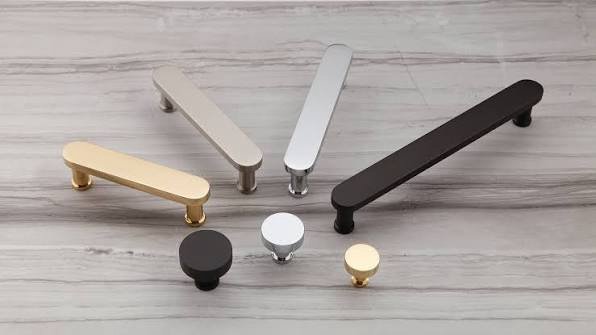
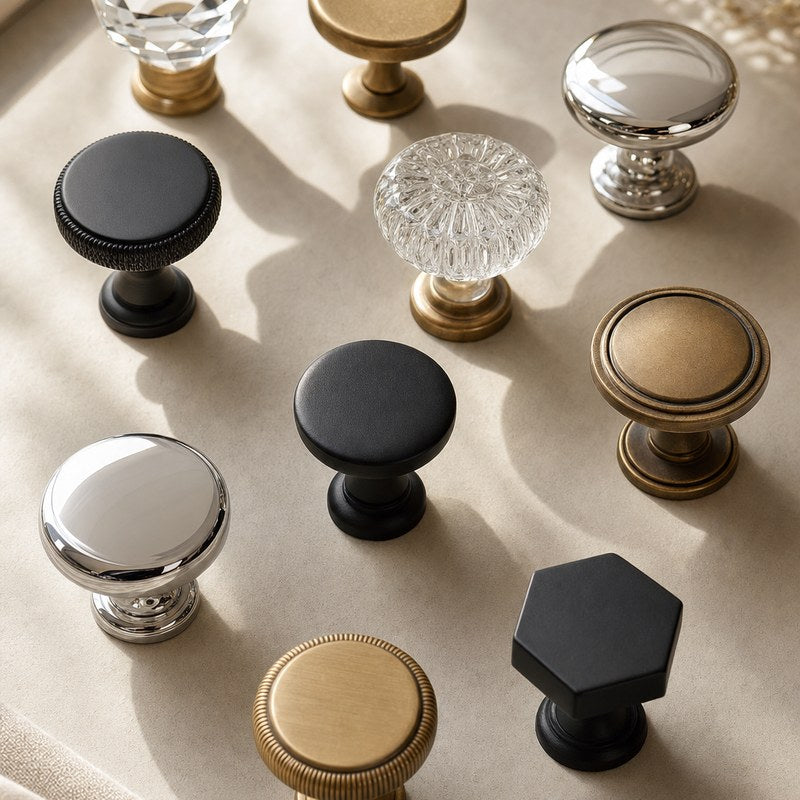
Two brasses can be very different animals. A polished brass is shiny and formal. A satin or brushed brass is soft and warm. An antique or aged brass is darker and more muted. They are all brass, and they do not always play well together. The same is true for black, which ranges from soft matte to glossy, and for nickel, which comes brushed, satin, and polished.
When you mix within a color, keep the sheen consistent. All satin, or all polished. When you mix across colors, you have more freedom, because the eye reads the color difference as intentional before it ever notices the sheen.
And do not trust the finish names. One manufacturer's champagne bronze is another's brushed gold. Order samples and set them side by side. Our cabinet hardware guide walks through the finishes in more detail, and our guide to testing cabinet samples at home applies just as well to hardware.
A Simple Plan You Can Copy
If you want a no-fail starting point, here it is. Choose your lead metal for the cabinet hardware and the faucet. Choose one supporting metal for the lighting. Match everything in the immediate wet zone to the faucet. Repeat the supporting metal at least once more somewhere in the room. Keep the sheens consistent within each color. Stop at two metals unless you have a very good reason for a third.
That is the whole system. It is how designers do it, and it is how you end up with a room that looks collected rather than ordered from a single aisle.
Common Questions
Can you mix brass and black in a kitchen? Yes, and it is one of the best-looking combinations you can choose. Put one on the hardware and faucet and the other on the lighting, then repeat each at least twice.
Do faucets and cabinet hardware have to match? No. They should get along, but they do not have to be identical. Keep the small pieces right around the faucet matched to it, and let the cabinet hardware carry its own finish.
How many metal finishes are too many? Three is the ceiling for most rooms, and two is the sweet spot. If you go to three, make the third one small and repeat it.
Browse cabinet hardware, bathroom faucets, kitchen faucets, and pendant lighting to build your palette. Want a second opinion before you order? Ask a pro. A real person answers, usually within a business day, or start with free design help and we will pull the finishes together with you.